
Best Handheld Steam Cleaner · Bed Bugs

Best Steamer for Bed Bugs: What Extension Guides Look For

For bed bugs, extension guides point to a large steamer with volume control and a wide nozzle: our top pick is the Dupray Tosca. University of Minnesota Extension advises a commercial steamer of at least 1 gallon, and the Tosca meets that. Steam kills what it reaches, but Virginia Cooperative Extension says it will not clear an infestation alone. University of Minnesota says the most effective approach is a pest professional.

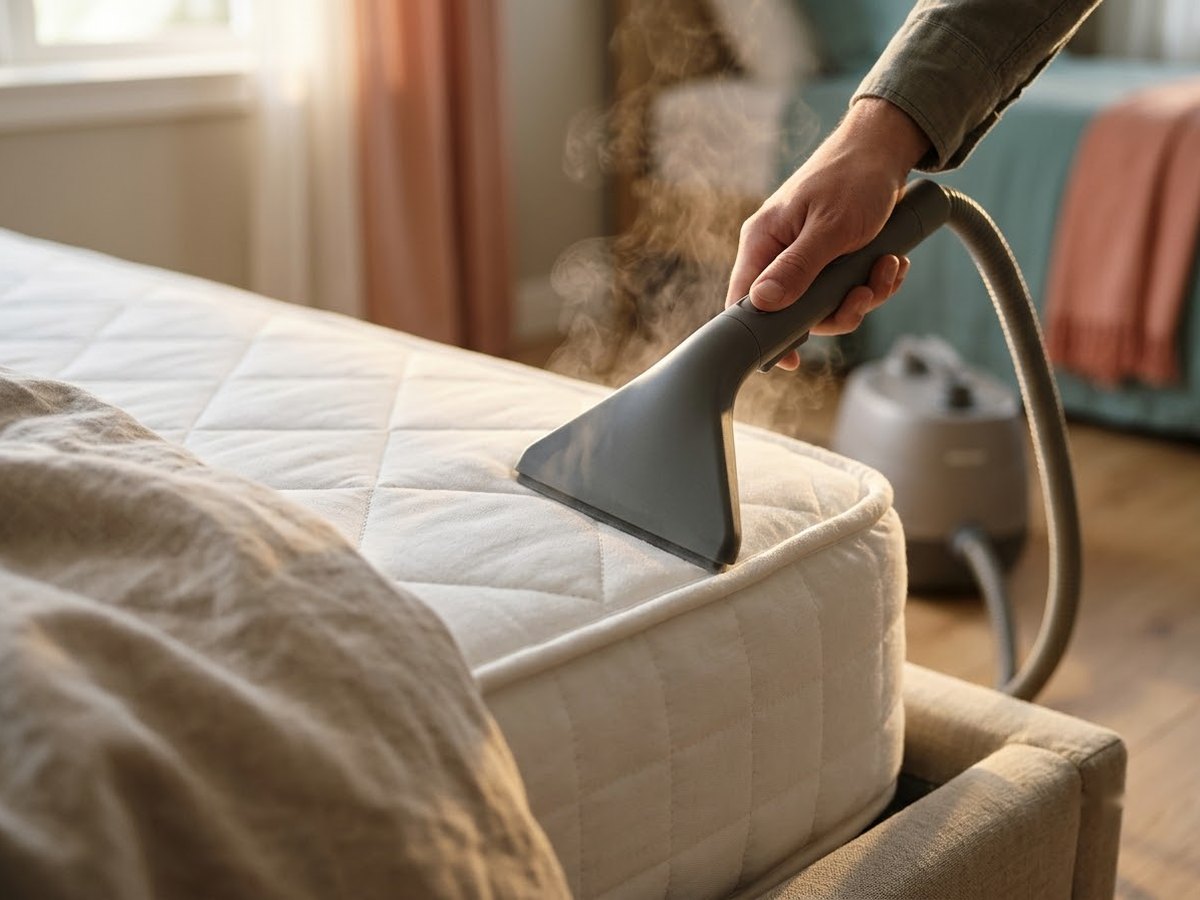
Unbranded canister steamer with a wide triangular tool working slowly along a mattress seam

Our top 3

Top picks at a glance

Meets the 1-gallon guidance#1
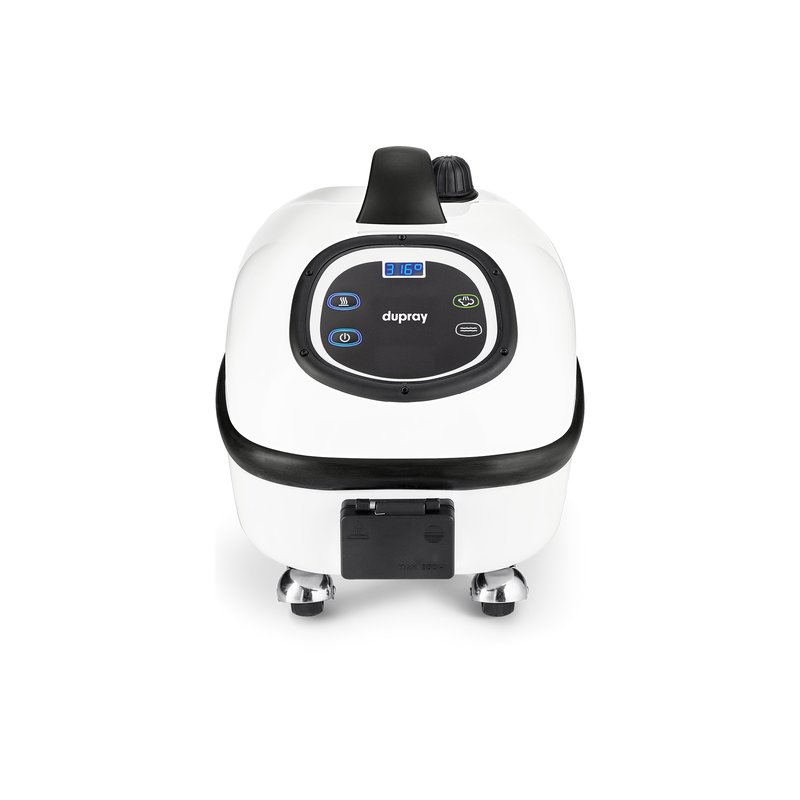
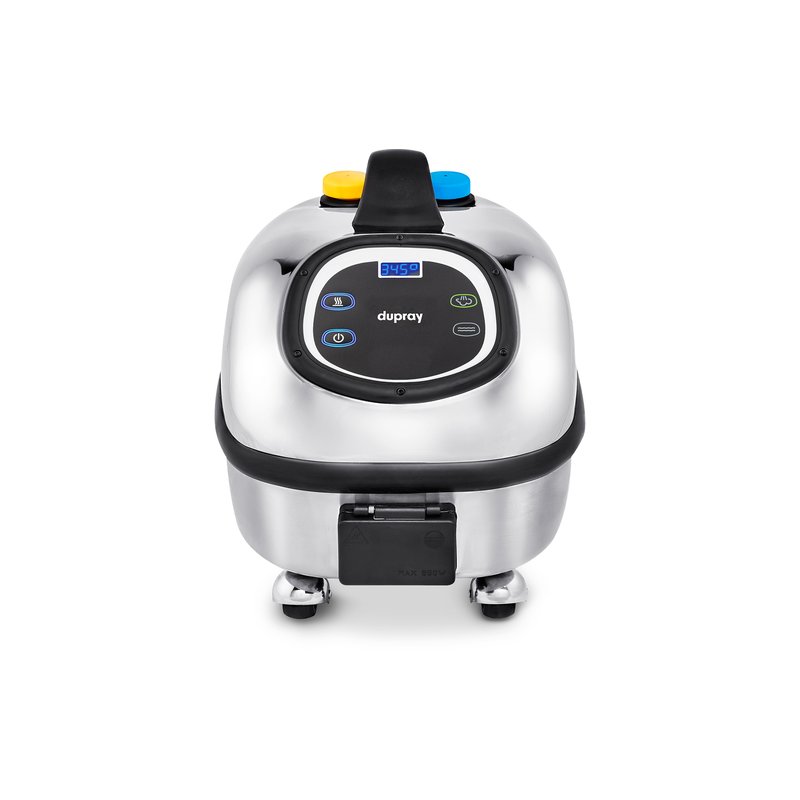
Dupray Tosca steam cleaner

Dupray Tosca

Premium price range

1.05 gal, adjustable pressure and steam flow control, with a triangular tool in the kit.

See details ›
Lower-cost canister#2
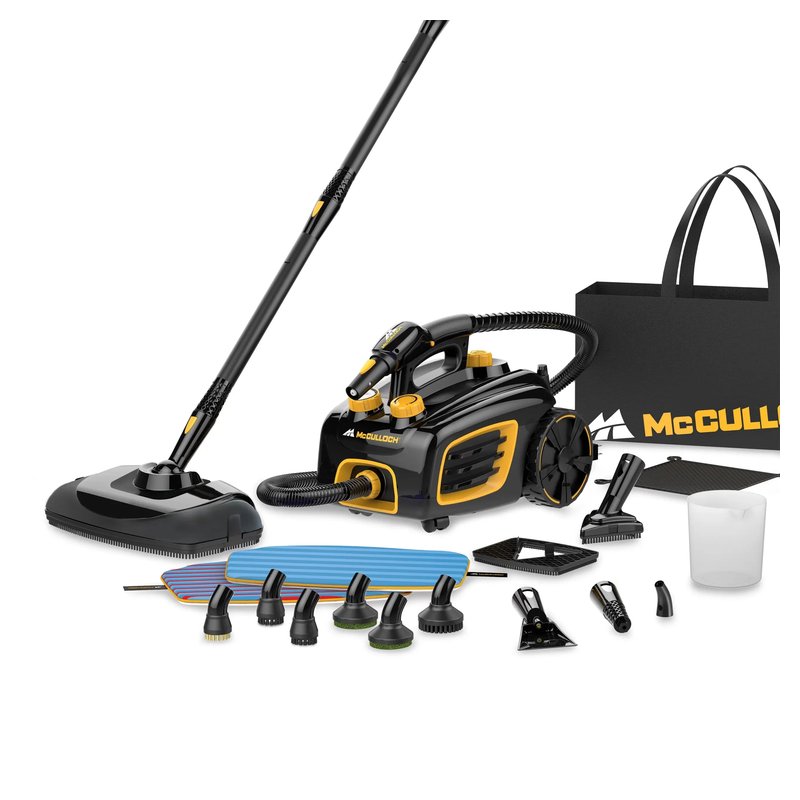
McCulloch MC1375 steam cleaner

McCulloch MC1375

Mid-range price range

Bob Vila’s best overall for bed bugs, with variable steam. Its 48 oz tank is below the 1-gallon guidance.

See details ›
Drier steam#3
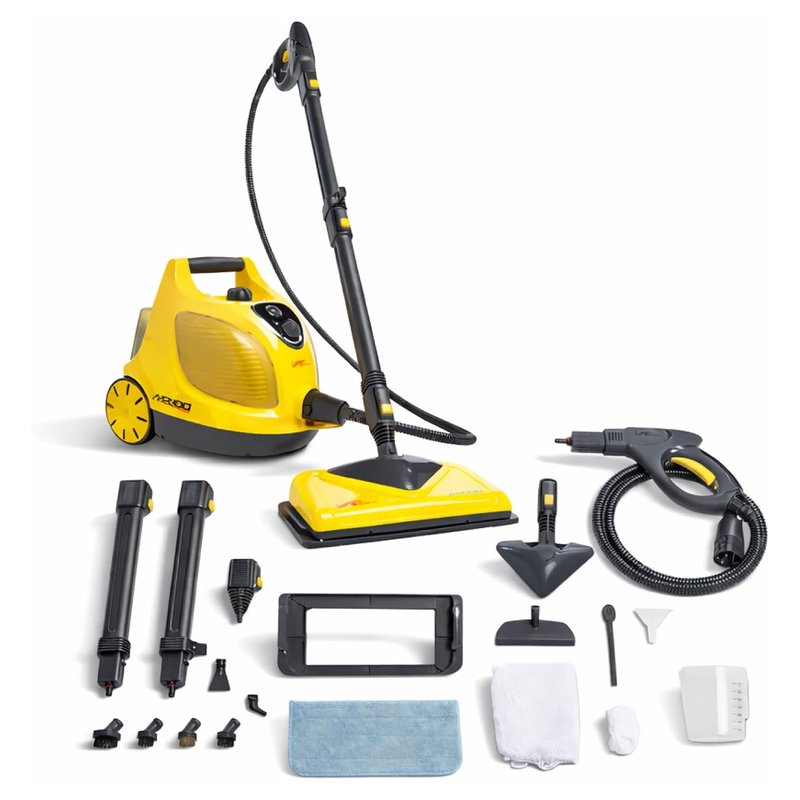
Vapamore MR-100 Primo steam cleaner

Vapamore MR-100 Primo

Premium price range

Bob Vila’s upgrade pick for shorter drying time. Its 1.6 L boiler is below the 1-gallon guidance.

See details ›

In detail

Who each one suits

Specifications are each brand’s own, and notes draw on independent reviews, manuals and extension guidance. We have not tested or used these steam cleaners ourselves.

Meets the 1-gallon guidance#1

Dupray Tosca

This is the machine class University of Minnesota Extension describes for bed bugs: it advises a commercial steamer of at least 1 gallon, preferably with steam volume control. The Tosca meets those numbers, and Bob Vila lists it as its commercial-grade bed bug pick. For routine house cleaning, it is far more than you need.

Why it stands out

  • A 1.05 gal stainless steel boiler and up to 90 minutes per fill.
  • Adjustable pressure up to 72.5 psi, with steam flow control on the hose.
  • A 25-piece kit including a triangular tool and a 9 ft 10 in hose.
TypeCommercial-style canister
Tank1.05 gal
Heat-up7 minutes
Run per fillUp to 90 minutes
Steam & reachAdjustable to 72.5 psi; up to 316°F; 9 ft 10 in hose

Good fit if

  • You are steaming for bed bugs as part of a wider plan.
  • You steam fabric and mattresses often and want adjustable output.

Skip it if

  • You only want routine home cleaning: it weighs 26 lb.
  • You expect steam alone to clear an infestation; Virginia Cooperative Extension says it will not.

Turn the pressure down for bed bugs: Bob Vila suggests 40–60 psi, and strong jets can blow bugs away. Dupray’s own page does not claim bed bug use.
Lower-cost canister#2

McCulloch MC1375

The classic pressurized canister: long run time, adjustable steam and a lot of attachments. CBS Essentials has named it best overall, and Bob Vila listed it first for bed bugs. You pay in waiting, since it takes about 10–12 minutes to heat and has to cool before you can refill.

Why it stands out

  • 90 minutes of continuous steam from a 48 oz tank, per McCulloch.
  • Variable steam up to 58 psi, so you can dial up for grease and down for fabric.
  • 20 accessories, a 7 ft insulated hose and an 18 ft cord.
TypeCanister
Tank48 oz
Heat-up10–12 minutes
Run per fill90 minutes
Steam & reachUp to 58 psi, variable; 7 ft hose; 18 ft cord

Good fit if

  • You want long sessions and adjustable steam.
  • You clean a mix of kitchens, bathrooms and tile floors.

Skip it if

  • You hate waiting: heat-up and cool-down both take real time.
  • You want to refill mid-job; do not open the cap while it is hot or pressurized.

Some replacement parts showed as out of stock on the brand site when we checked. Review coverage is older than for the Dupray models.

Drier steam#3

Vapamore MR-100 Primo

A compact canister known for hotter, drier steam, which matters most on things that should not stay wet. Bob Vila calls it its upgrade pick for bed bugs because that steam shortens drying time, and detailing retailer Detail King sells it for car upholstery, carpets and dashboards.

Why it stands out

  • Vapamore lists 51 psi, 250°F at the boiler and 40 ml of steam per minute.
  • 50–60 minutes per tank from a 1.6 L stainless steel boiler.
  • A clothes and fabric tool with cotton cover, plus a lifetime warranty on the boiler.
TypeCanister
Tank1.6 L boiler
Heat-up11 minutes
Run per fill50–60 minutes
Steam & reach51 psi; 250°F at boiler; 6 ft hose

Good fit if

  • You steam fabric, mattresses or car interiors and worry about leaving them wet.
  • You detail cars at home and want a real canister.

Skip it if

  • You want a machine that meets the 1-gallon guidance for bed bugs: 1.6 L falls short of it.
  • You want steam in a hurry: it takes about 11 minutes and must cool before refilling.

Detail King says vapor steamers cannot be returned once used, so check the seller’s policy before you buy.

Also worth a look

Dupray Hill Injection

A commercial machine for people who clean for a living. Dual tanks mean you can refill without stopping, and a separate tank injects detergent for heavy grease. Chron lists it as its commercial-scale pick and names the price as the main drawback. Homeowners do not need this.

Why it stands out

  • Up to 121 psi and 345°F, per Dupray.
  • A 0.8 gal tank feeding a 0.4 gal boiler, with continuous refill.
  • A 27-piece kit, carrying case and 9 ft 10 in hose.
TypeCommercial canister
Tank0.8 gal tank + 0.4 gal boiler
Heat-upAbout 7 minutes
Run per fillUnlimited with refills
Steam & reachUp to 121 psi, 345°F; detergent tank

Good fit if

  • You clean professionally and stopping to refill costs you money.
  • You need detergent injection alongside steam.

Skip it if

  • You do routine home cleaning.
  • You want a bed bug steamer: its top pressure is well past the range Bob Vila suggests.

It weighs 28 lb and needs a 2-minute boiler drain every 30 hours of use, per Dupray.

Treating bed bugs yourself?

Pair the steamer with inspection and other controls, and go slowly. A fast pass with a pinpoint nozzle can scatter bugs rather than kill them.

Read buyer reviews ›

Tips

Three things that make the difference

01

Slow down, and measure

Purdue and Penn State say about 1 foot every 10 to 15 seconds, and Virginia Tech says 30. University of Minnesota says to check surfaces with an infrared thermometer and aim for 160–180°F.

02

Use a wide, soft head

University of Minnesota warns against pinpoint nozzles, EPA says to use a diffuser, and Purdue and Penn State say to avoid brushes that can knock bugs onto the floor. A triangular tool often works.

03

Follow up

Rutgers says to reapply every few days until traps and inspections show none. Purdue says to inspect 10 to 21 days after each treatment. NPIC says to coordinate with neighbors in shared buildings.

Honest note

A steamer does not replace pest control. University of Kentucky says steam leaves no residual protection and has limited ability to penetrate fabric. HomeAdvisor puts professional treatment at about $1,000 to $4,000, so a commercial-style machine is not obviously the cheaper route. Puckett and colleagues call steam likely inefficient alone for a mature infestation.

FAQ

Questions people ask

What temperature kills bed bugs?

Sources agree that 122°F kills quickly. University of Minnesota says bed bugs and eggs die immediately at 122°F or within about 90 minutes at 118°F. For steam, EPA and Penn State say the steam must be at least 130°F, and University of Minnesota says surfaces should reach 160–180°F or bugs may survive.

Does steam kill bed bug eggs?

In one study, yes. Puckett and colleagues tested a commercial steamer and all treated eggs died, with no hatch over 30 days against 96% hatch in untreated controls. That was direct treatment. Effectiveness against hidden bugs remains untested, the same authors say, and eggs tucked deep in a crevice may not be reached.

What type of steamer should I avoid for bed bugs?

University of Minnesota says not to use a clothing steamer or a carpet cleaning machine, and to avoid pinpoint nozzles. Purdue says most retail steamers do not get hot enough. We found no independent test of a small handheld for bed bugs, so we do not recommend one for this job.

Should I put a towel over the nozzle?

Guides disagree. Purdue says wrapping the head in a towel can intensify the heat, and Rutgers suggests one if steam might blow bugs away. Stephen Kells’s Bed Bug Summit slides say towels reduce penetration. If you use one, check the surface temperature with an infrared thermometer, as University of Minnesota advises.

Can steam damage my furniture?

Yes. Rutgers says steam may damage finished furniture surfaces and some fabrics such as microfiber, and University of Minnesota says going above 160–180°F risks damaging fabric. Test an unseen area first. University of Minnesota also says fabric may be damp but should not be wet, and to use a fan afterward.

Should I steam around outlets?

Be careful: we found no extension or EPA guidance on this. University of Kentucky lists outlets and switch plates among hiding spots, while Bob Vila lists outlets as never-steam items and Bissell says steam must not be directed at electrical components. Ask a pest professional to deal with those.

Use steam as one part of the plan

Want the full picture? See our best handheld steam cleaner, compared by job, and the FAQ on safety, surfaces and recalls.